Mathi Hospitals
Typically replies within minutes
×
Do you have any questions about our Hospitals? Feel free to ask us!
 Chat With Us
● Online
Typically replies within minutes
× Chat With Us
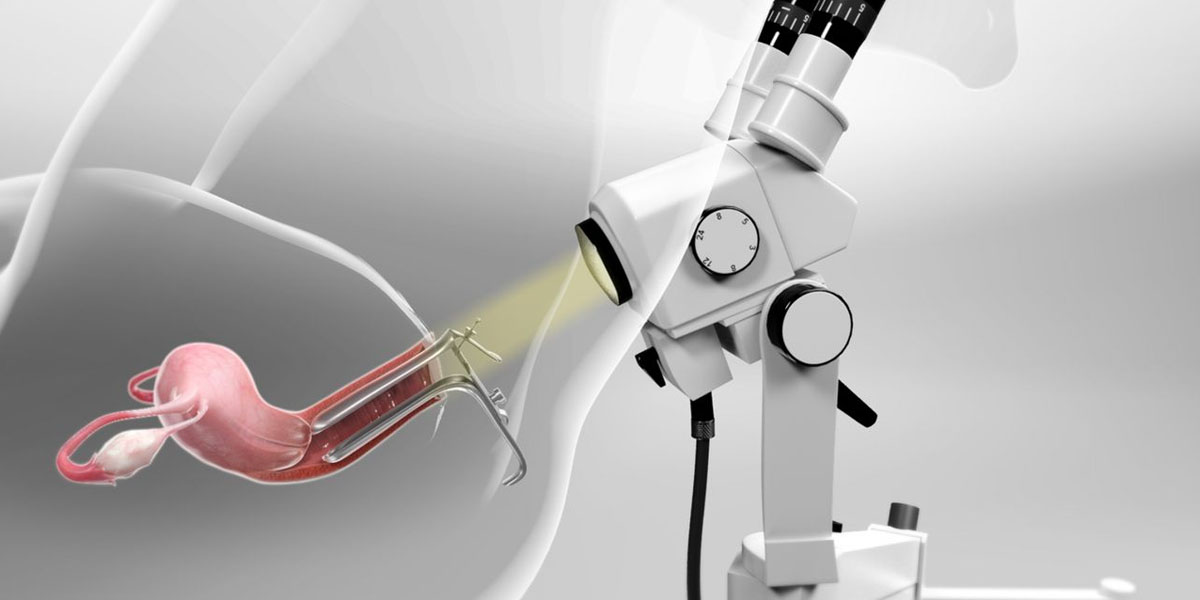
Colposcopy is a detailed examination of the cervix (neck of the womb). A colposcope is a special instrument that works like a large magnifying glass, enlarging the image up to 15 times and allowing the doctor to see cervical changes clearly.
Colposcopy is simple, quick, and generally painless. The examination usually takes about 15 minutes. It is not done during menstruation.
It can be safely performed during pregnancy and will not affect delivery. However, treatment is usually postponed until after delivery.
Colposcopy is usually recommended when a routine cervical screening test (Pap smear) shows abnormal results.
Abnormal Pap smear results are common and occur in about one in twenty tests. These usually indicate minor changes in cervical cells and are very rarely cancer.
Colposcopy helps identify the cause of these cell changes and guides further management. It is a diagnostic procedure and not a treatment by itself.
A speculum is gently inserted into the vagina. The doctor applies special solutions to the cervix to highlight abnormal areas.
Biopsy is usually not painful. The results help decide if treatment is required. In some women, cervical changes resolve naturally without treatment.
Normal activities can be resumed after the procedure. If a biopsy is taken, mild blood-stained discharge for a few days is normal.
It is advisable to avoid sexual intercourse for up to five days to allow healing.
If treatment is required, procedures aim to destroy or remove abnormal cells. These are usually done as outpatient procedures.
Cryotherapy destroys abnormal tissue by freezing it using nitrous oxide. It is relatively painless and takes about 15–20 minutes.
After treatment, frozen cells shed naturally and healthy cells grow underneath.
A fine heated wire loop removes abnormal tissue from the cervix under local or general anaesthesia.
The procedure takes about 20–30 minutes and the tissue is sent for analysis.