Mathi Hospitals
Typically replies within minutes
×
Do you have any questions about our Hospitals? Feel free to ask us!
 Chat With Us
● Online
Typically replies within minutes
× Chat With Us
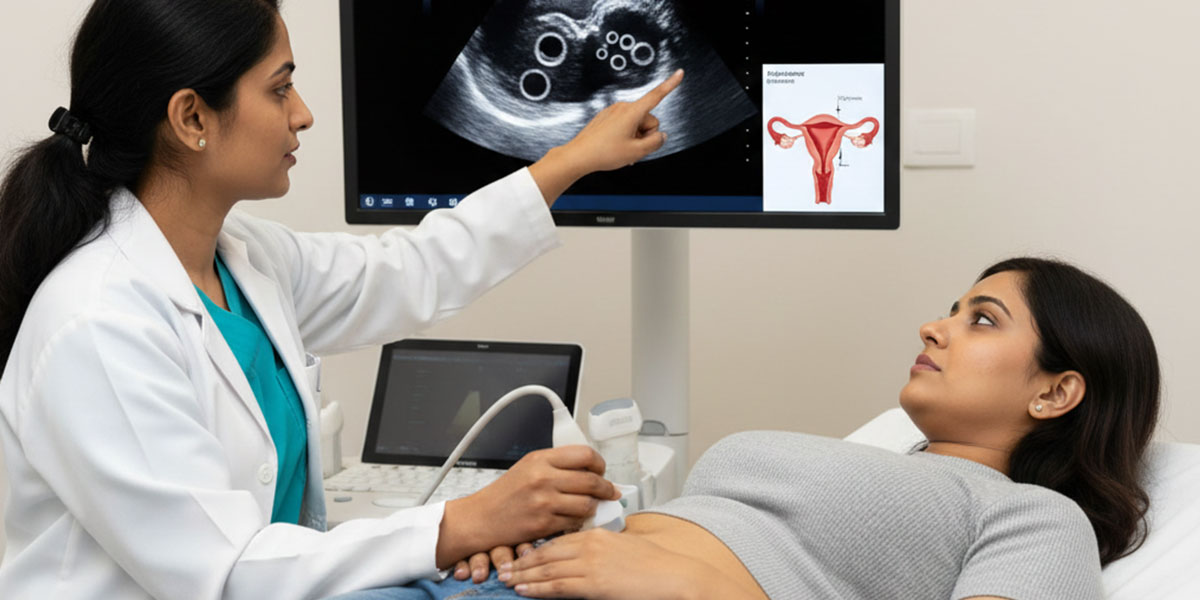
Ovulation is the release of an egg from the ovary. This usually occurs once every month in women of reproductive age, except during pregnancy. In some women, ovulation does not happen regularly.
Disorders of ovulation account for nearly 25% of subfertility cases. Anovulatory cycles are commonly seen in women with Polycystic Ovarian Syndrome (PCOS). These women may benefit from ovulation-inducing medications.
Before starting treatment, both partners undergo evaluation to determine the most appropriate plan. This includes medical history, physical examination, blood tests, hormone assays, ultrasound of uterus and ovaries, tubal patency testing and semen analysis.
A visit to the Gynaecology Outpatient Department is advised on Day 2 or Day 3 of the menstrual cycle. A baseline ultrasound may be performed to assess antral follicle count and rule out ovarian cysts.
Medications that stimulate the ovaries to produce follicles containing eggs are called ovulation-inducing agents. Common oral drugs include Clomiphene, Tamoxifen or Letrozole, usually started within five days of the onset of menstruation.
Injectable medications called Gonadotropins may be advised if the response to oral drugs is inadequate.
Follicular study involves ultrasound monitoring of ovarian follicles to identify ovulation. Monitoring usually begins around Day 9 of the menstrual cycle. Follicle number, size and growth rate are assessed through serial scans.
Medication type and dosage may be adjusted based on follicular response.
The goal is to develop one or two follicles measuring 18 mm or more. Ovulation is then triggered using an injection of hCG.
Ovulation usually occurs 24–36 hours after the injection, and timed intercourse is recommended during this period.
Pregnancy rates are approximately 8–10% per treatment cycle. Success depends on age, cause of infertility and response to treatment.
Around 70–80% of women will ovulate with medication, and about half of them may conceive within six months.
Symptoms may develop between 3–16 days after hCG injection and include abdominal pain, bloating, nausea, vomiting, breathlessness and reduced urine output.
Immediate medical attention is advised if any of these symptoms occur.
Usually, four to six cycles of ovulation induction are advised. If pregnancy is not achieved, a review appointment will be scheduled to discuss further treatment options.