Mathi Hospitals
Typically replies within minutes
×
Do you have any questions about our Hospitals? Feel free to ask us!
 Chat With Us
● Online
Typically replies within minutes
× Chat With Us
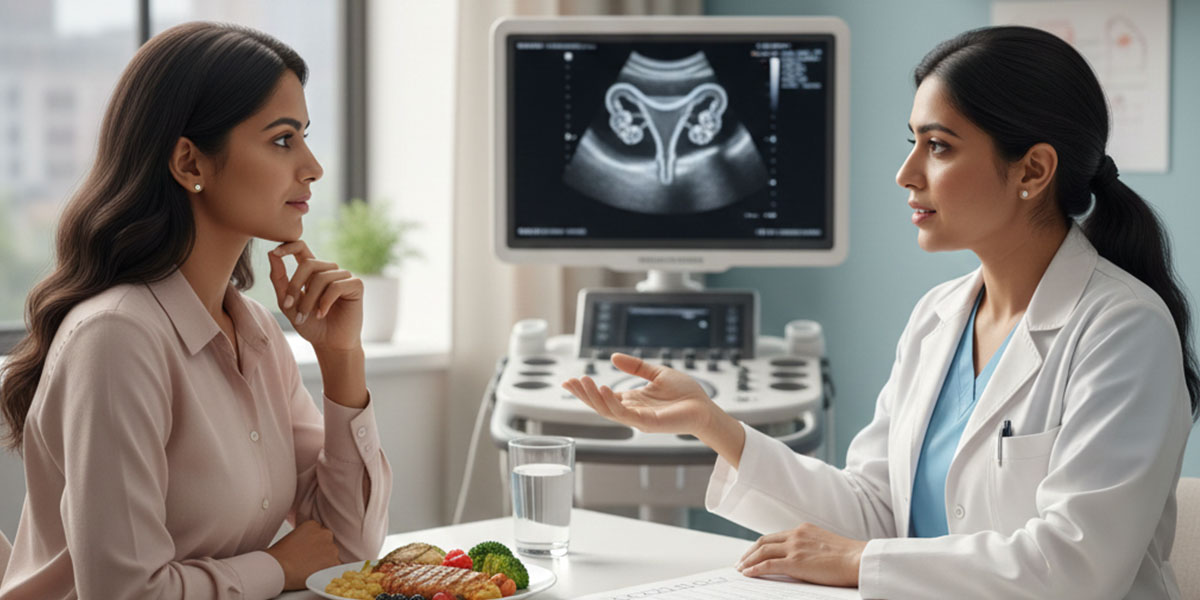
Polycystic ovaries are slightly larger than normal and contain 10–12 small follicles (cysts). About 20% of women have polycystic ovaries, but only 6–7% of these women have PCOS.
PCOS is diagnosed when any two of the following three criteria are met:
The exact cause of PCOS is unknown. It may sometimes run in families.
Symptoms are related to high male hormone levels and insulin resistance, and can start around puberty or later in adulthood. They include:
While PCOS is not completely reversible, treatment can minimize symptoms and allow women to lead a normal life.
Diagnosis is made based on symptoms and investigations, including:
Women with PCOS have increased risk of developing diabetes, high blood pressure, high cholesterol, heart disease, depression, sleep problems, and early endometrial cancer.
Treatment focuses on managing symptoms and may include:
PCOS is a lifelong condition, but with proper management, women can maintain a healthy life.